
Last updated on September 1st, 2025 at 03:08 pm
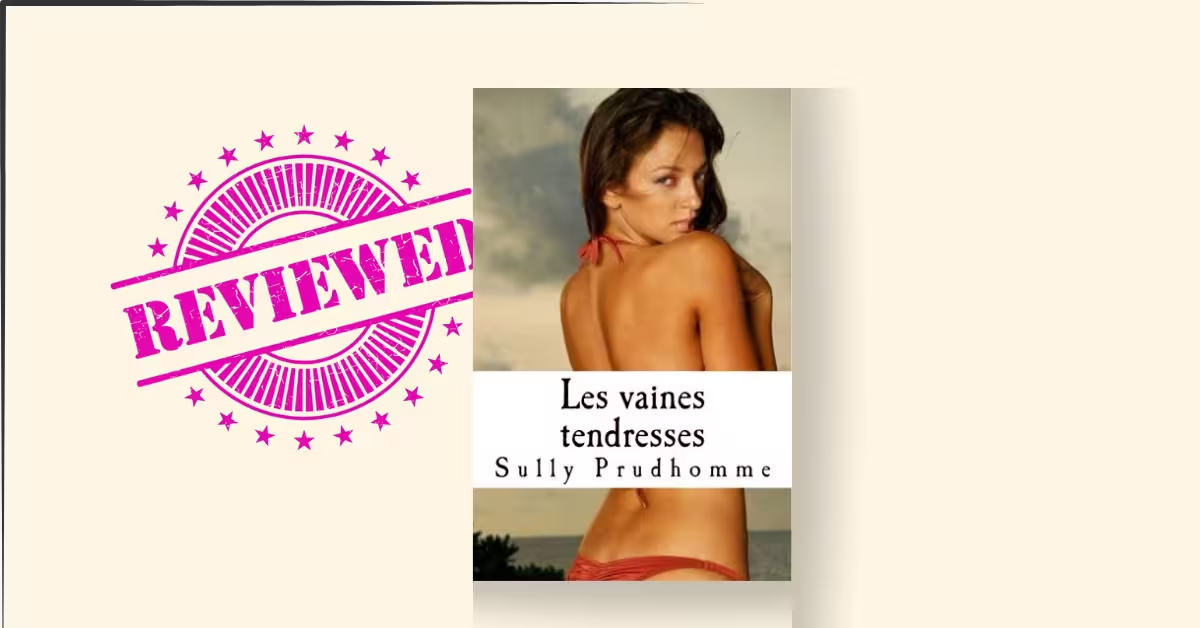
Published in 1875, Les Vaines Tendresses (The Vain Tendernesses) is one of the most intimate and reflective collections by Sully Prudhomme, the French poet who later became the first Nobel laureate in literature.
In these poems, Prudhomme explores the fragile beauty of human affection, where love is at once consoling and elusive, tender yet destined to fade under the weight of time, desire, and chance.
With the clarity and discipline of the Parnassian style, he portrays love as a shared wound, a fleeting joy, and sometimes a moral trial—always touching, but often “vain” in its inability to overcome impermanence. Far from sentimental, the collection dignifies fragility itself, turning moments of tenderness into a universal reflection on the human heart.
Table of Contents
Who Was Sully Prudhomme?
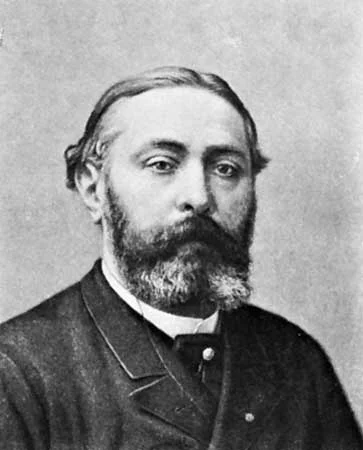
René François Armand Sully Prudhomme (1839–1907) was a French poet, essayist, and philosopher associated with the Parnassian school, a movement that valued precision, clarity, and form over Romantic subjectivity. Though trained initially as an engineer and lawyer, illness forced him toward literature. His first collection, Stances et poèmes (1865), gained acclaim for its elegance and reflective melancholy.
He became the first Nobel Prize in Literature laureate (1901), awarded for poetry that combined “lofty idealism, artistic perfection, and a rare union of heart and intellect.” Prudhomme’s work often explored the fragility of human emotion, the tension between reason and passion, and the inexorable passing of time.
His legacy lies not only in his lyric verse but also in bridging art and philosophy—showing how tenderness, doubt, and ethical seriousness could live within strict poetic form.
A Review of Les Vaines Tendresses (1875)
1. The Title and Its Promise
The phrase “Les Vaines Tendresses” (The Vain Tendernesses) signals at once an ambivalence about love and memory. Prudhomme’s tendernesses are not denied or ridiculed, but recognized as fragile, fleeting, and often unfulfilled. These poems are not sentimental escapes; they are ethical and psychological explorations of what remains when desire, memory, or virtue encounter human limits.
2. Themes of the Collection
a) Tenderness as Solitude and Shared Wound
The opening dedication “Aux amis inconnus” (To unknown friends) sets the tone. The poet offers his verses to strangers who may recognize themselves in his pain:
“C’est que notre élégie est son propre poëme,
Et que seuls nous savons…
En lui parlant de nous lui parler d’elle-même.”
Here, Prudhomme articulates poetry as a mutual recognition of wounds—love becomes vain when it isolates, but meaningful when it binds across distance.
b) The Grammar of Love: Attention and Stillness
In one of the most famous poems, “Au bord de l’eau”, love is described as a ritual of shared perception:
“S’asseoir tous deux au bord d’un flot qui passe,
…
Ne pas sentir, tant que ce rêve dure,
Le temps durer.”
This tenderness resists vanity: it is a quiet stance against time’s erosion. Yet it remains vain because time always resumes. Love cannot prevent change, only delay it.
c) Beauty as Consolation and Torment
In “La Beauté”, the poet admits:
“Splendeur excessive, implacable,
Ô Beauté, que tu me fais mal!
… On n’absorbe pas l’idéal.”
Beauty wounds because it cannot be possessed. For Prudhomme, desire is an eternal hunger, and tenderness becomes vain when it confuses admiration with possession.
d) Desire as Captivity
The sonnet “La Volupté” portrays lovers as prisoners of their own passion:
“Deux êtres asservis par le désir vainqueur,
…
En silence attiré, le couple y redescend,
Et l’éphémère essaim des repentirs s’envole.”
Here tenderness collapses into habit and relapse. What begins as liberation becomes captivity—another kind of vanity.
e) Love as Accident and Misrecognition
In “Les Amours Terrestres”, Prudhomme calls human loves mere chance:
“Nos yeux se sont croisés et nous nous sommes plu…
Les terrestres amours ne sont qu’une aventure.”
Love feels predestined, yet is only accident dressed as fate. Tenderness here is vain because it rests on illusions of destiny.
f) Virtue as the Counterweight
Against the vanity of passion, Prudhomme raises “La Vertu”, a long meditation on conscience:
“Toujours en nous parle sans phrase
Un devin du juste et du beau,
C’est le cœur, et dès qu’il s’embrase
Il devient de foyer flambeau.”
Virtue, unlike vain tenderness, does not fade with time or appetite. It is a living fire within the heart, offering the only escape from the futility of restless passion.
Style and Craft
Prudhomme’s verse is marked by:
- Formal rigor: sonnets, quatrains, carefully measured rhythms.
- Clarity of diction: free of Romantic vagueness; each metaphor is concrete.
- Ethical resonance: tenderness is always weighed against conscience and mortality.
This restraint makes the tendernesses vain but dignified: they are fleeting, but written with such lucidity that they command respect.
Evaluation
Les Vaines Tendresses is not a book of sentimental sighs. It is an anatomy of love under the weight of time, chance, beauty, and conscience. Its tenderness is vain whenever it clings to illusion, appetite, or nostalgia; yet it becomes meaningful when it opens a space of recognition, attention, and ethical clarity.
For modern readers, the book resonates because it does not romanticize tenderness. Prudhomme teaches us that fragility itself is part of human nobility. His verses are invitations to feel deeply, but also to acknowledge limits—an honesty rare in 19th-century lyric poetry.
Conclusion
Sully Prudhomme, the first Nobel laureate in literature, gave us in Les Vaines Tendresses a profound paradox: tenderness that consoles, yet proves vain against time, beauty, and fate. But this vanity is not despair; it is a recognition that the value of love lies in its intensity, not its permanence. That is why these poems still move, nearly 150 years later: they speak not only of Prudhomme’s private wounds but of the shared fragility of the human heart.







