
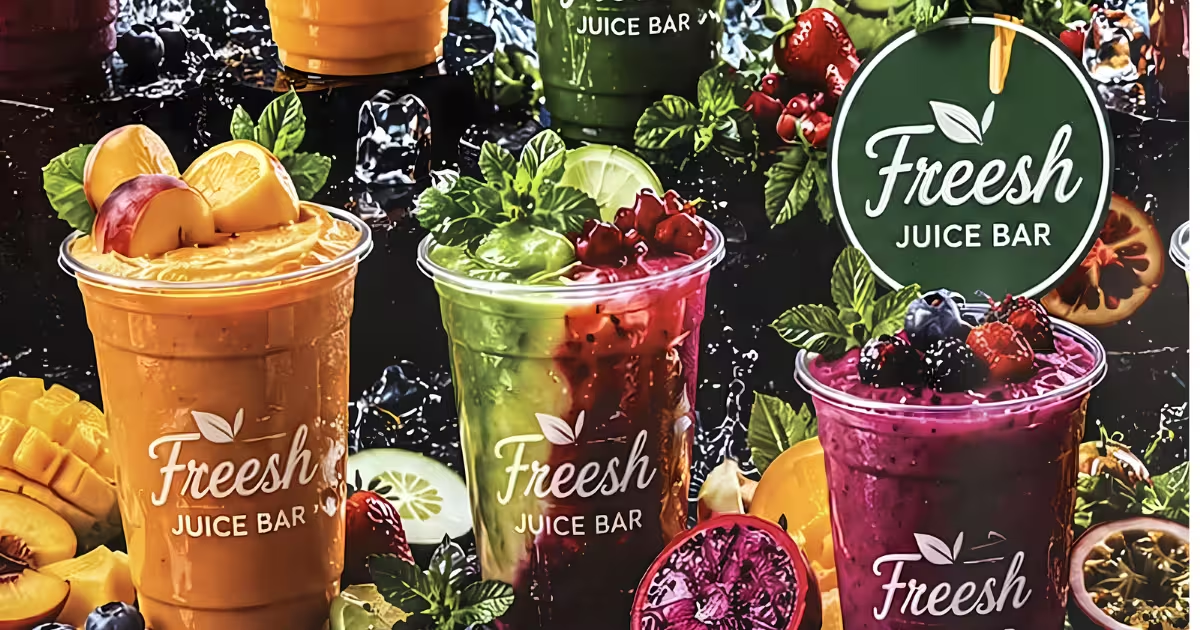
AI food photos going viral for the wrong reasons? AI-generated menu images are taking over restaurants and food trucks, but customers are finding them more off-putting than appetizing. Here’s why these digital dishes are sparking backlash and what food businesses should do instead.
Table of Contents
AI Food Photos: The Rise of the “AI Flyer Epidemic” at Food Venues
When 28-year-old Adaeze Onejeme visited a Hollywood night market in August, she noticed something unsettling. Vendor after vendor displayed menu photos that looked almost real—until she took a closer look. The chicken nuggets seemed too perfect, the textures oddly rubbery, and the colors strangely saturated.
“They don’t look like typical food that we eat,” Onejeme recalled.
She documented what she called an “AI flyer epidemic” on TikTok, showing how many food stalls had replaced real food photography with artificial intelligence-generated images. Instead of ordering from these vendors, Onejeme chose to buy from establishments using traditional menu photos—a decision reflecting a growing consumer preference.
The question on many customers’ minds: “At that point, is it false advertising?”
The “Uncanny Valley” Problem in Food Marketing
Generative AI has rapidly infiltrated marketing across industries, but its presence in food advertising is provoking particularly strong reactions. From food trucks to bodegas and cafes, what some TikTokers have dubbed “AI slop menus” signals qualities consumers don’t want associated with their meals: low quality, laziness, or something fundamentally unappetizing.
Food psychologist Alexander Diel from Germany’s University of Duisburg-Essen explains why people react so viscerally:
“Food is important to us. At the same time, it’s something that can easily make us sick, so we are very sensitive to when something is even slightly off.”
This sensitivity relates to the “uncanny valley”—a concept introduced by Japanese roboticist Masahiro Mori in 1970. Originally applied to humanlike robots, the term describes the eerie feeling triggered by slight imperfections in realistic representations. When applied to food imagery, these subtle flaws can trigger genuine revulsion.
Global Examples of AI Food Fails
The phenomenon isn’t confined to the United States. Around the world, AI-generated food images are creating confusion and amusement:
- Tokyo: A sandwich advertisement shows a bagel resembling cobwebs, filled with tuna salad that appears piped in
- Kuala Lumpur: Spaghetti marinara looks like perfectly arranged yarn or Play-Doh strands
- Berlin: Menu images feature plastic-looking quiche with suspicious holes and rubber-like penne pasta
Berlin tour guide Julia Damphouse, who captured a viral photo of a local restaurant billboard, described the effect: “It looks too geometric. I imagine it’s like if you take acid and food stops looking like food.”
Technology reporter Sam Biddle from The Intercept shared a widely circulated image of a shrimp scampi dish that he compared to monsters from H.P. Lovecraft’s fiction—calling it “spiritually unsettling and cosmically unnerving.”
Why AI Food Images Repel Customers
Recent peer-reviewed research sheds light on why AI-generated food photos provoke such strong negative reactions.
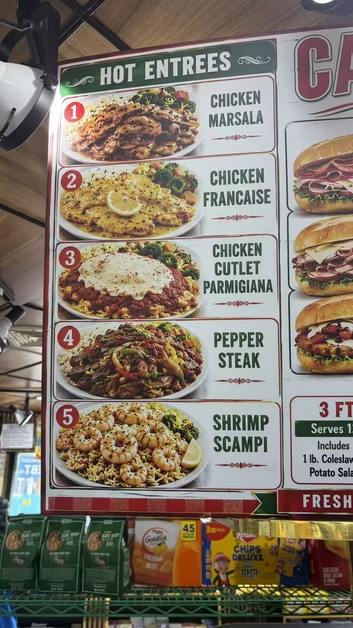
Diel’s 2025 study found that viewers rated slightly imperfect AI food images as significantly more “uncanny” and less pleasant than either nonrealistic or highly realistic food imagery. Another study published last month revealed that while people judged realistic and nonrealistic images as having similar health qualities, they expressed less desire to actually eat the AI-depicted food.
Scientists propose two evolutionary explanations:
- Pathogen avoidance: Our brains may detect subtle inconsistencies as potential signs of unsafe food, triggering protective disgust responses
- Food neophobia: The fear of unfamiliar foods may activate cautionary instincts to avoid potentially harmful new items
As Diel summarized: “We don’t know if the food is safe or not, so we’d rather be careful and not eat it.”
The Business Case for Real Food Photos
Restaurant ownership in 2026 presents significant challenges. According to the National Restaurant Association, 42% of operators reported their eateries didn’t turn a profit in 2025. With 26% of restaurant owners now using AI—mostly for marketing—the pressure to cut costs is real.
However, the viral spread of AI menu images can backfire dramatically. Some establishments have already received negative online reviews after their AI-generated menus went viral—with consequences for their reputation and bottom line.
Industry Experts Weigh In
Nancy Hopkins, president of the International Association of Culinary Professionals, advises restaurateurs to use AI strategically but avoid it for food photography.
“I think it backfires if you’re a little startup restaurant. You might have all the good intentions in the world to use a photo and say we can serve you this, but really, when you get into it, you can’t,” Hopkins explained. “No one can deliver what that photo brings.”
Authentic Alternatives for Small Food Businesses
For restaurants without professional photography budgets, Hopkins recommends:
- Using smartphone photos of actual menu items
- Creating simple illustrations or hand-drawn menus
- Emphasizing authenticity over perfection
- Telling your restaurant’s honest story
“Where food is concerned, people want to eat something that’s authentic and truly delicious,” Hopkins said. “Real people, real stories will always be better.”
Key Takeaways for Restaurant Owners
| Approach | Risk Level | Customer Reaction |
|---|---|---|
| AI-generated food photos | High | Negative, distrustful |
| Real smartphone photos | Low | Trusting, authentic |
| Professional photography | Minimal | Positive, appetizing |
| Hand-drawn/illustrated | Very low | Charming, authentic |
Frequently Asked Questions About AI Food Images
Why do AI food photos look so strange?
AI generators often struggle with food textures, creating overly smooth, shiny, or geometrically perfect images that don’t match real food appearance.
Can customers tell if a menu photo is AI-generated?
While early AI images fooled many viewers, consumers are increasingly able to spot the telltale signs—rubbery textures, odd lighting, and impossible perfection.
Is it illegal to use AI food photos on menus?
While not explicitly illegal, customers may view it as deceptive advertising, potentially damaging trust and reputation.
What should small restaurants do instead of using AI photos?
Use smartphone photos of actual menu items, hire local photographers, or create simple illustrations—authenticity builds customer trust.







