Last updated on October 17th, 2026 at 09:40 am
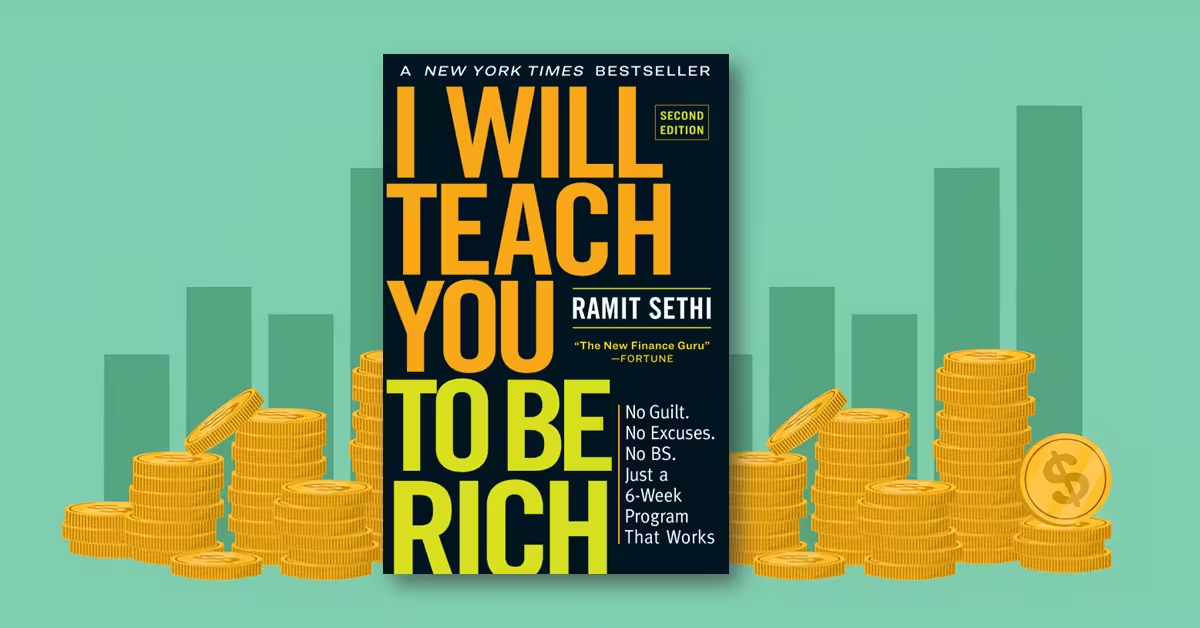
Most money books lecture you about lattes. Ramit Sethi’s I Will Teach You to Be Rich tells you to stop feeling guilty about lattes and to focus on the big decisions instead. First published in 2009 and revised in 2019, it is a six-week programme for setting up your finances so they mostly run themselves, leaving you free to spend on whatever you genuinely love.
Here is my summary of the programme, what I found useful, what applies mainly to American readers, and who should read it. This is general information, not financial advice.
Table of Contents
The Six-Week Programme
Week 1: Get Your Credit in Order
Sethi starts with credit cards, which in the American system shape your credit score and the interest you pay on loans. His advice: pay the full balance every month, use cards for their rewards, and never carry debt you cannot clear.
Week 2: Choose Better Banks
He argues that many people lose money to fees and poor interest rates out of habit. Pick accounts with no unnecessary charges and decent returns on savings.
Week 3: Open Investment Accounts
This chapter explains American retirement accounts such as employer 401(k) plans and individual retirement accounts. The specific products will not apply outside the US, but the principle does: use any tax-advantaged savings scheme available to you, and start early.
Week 4: Build a Conscious Spending Plan
This is the heart of the book. Instead of a strict budget, Sethi suggests dividing take-home pay into fixed costs, investments, savings goals, and guilt-free spending. Cut ruthlessly on things you do not care about, and spend extravagantly on the things you do.
Week 5: Automate Everything
Set up automatic transfers on payday so that savings and investments happen before you can spend the money. Good decisions become the default rather than an act of willpower each month.
Week 6: Invest Simply
Sethi recommends low-cost index funds and target-date funds rather than picking individual stocks or trying to time the market. Most people, he argues, will do better by keeping things simple and leaving their investments alone.
What I Found Most Useful
- The “rich life” idea: Sethi asks readers to define what a rich life means to them, rather than chasing someone else’s idea of success.
- Big wins over small cuts: negotiating a salary or avoiding a high-fee product matters more than skipping coffee.
- Automation: the single habit most likely to change your finances for good.
- Permission to enjoy money: a refreshing change from books that treat every purchase as a failure.
Where to Be Careful
- It is very American. Credit scores, account types and tax rules differ widely elsewhere. Readers in Bangladesh will need to translate the principles to local banks, savings certificates and investment options.
- The tone is salesy. Sethi writes with lots of energy and self-promotion, which some readers will find tiring.
- It assumes a steady income. The plan works best for salaried professionals with money left over each month.
- Credit card rewards can tempt overspending if you are not disciplined about paying in full.
Who Should Read It
It is ideal for people in their twenties and thirties who have just started earning and want a clear, practical system. It is less useful if you already invest regularly or live outside the US and want detailed local guidance. Sethi later brought his ideas to a Netflix series, How to Get Rich, which shows him coaching real couples.
Compared With Other Money Books
Sethi is more practical than Rich Dad Poor Dad, warmer than The Total Money Makeover, and more modern than The Richest Man in Babylon, though all four share the same core: save automatically, avoid needless debt and invest for the long term. See my list of ten books on building wealth for the others.
My Verdict
I Will Teach You to Be Rich is one of the most practical personal finance books around. Ignore the hype in the title, adapt the American details to your own country, and focus on its two great ideas: automate the boring decisions, and spend without guilt on what you value.