Last updated on October 17th, 2026 at 09:17 am
Western audiences often meet the Arab world on screen only as a backdrop for someone else’s war story, a habit Edward Said described decades ago in Orientalism. Arab filmmakers have spent seventy years telling a very different story, and some of their films rank among the finest anywhere.
This list brings together fifteen of the most acclaimed films from the Arab world and its diaspora, from Egypt’s classic era to the festival winners of recent years. I have included one film by a non-Arab director because it is rooted so deeply in Lebanese history. The order is mine, and like every list it is open to argument.
Table of Contents
1. The Night of Counting the Years (Al-Mummia, 1969)
Shadi Abdel Salam’s only feature is based on the real discovery of a royal tomb cache near Luxor in 1881. A young man from a clan that secretly lives off looting ancient tombs must choose between loyalty to his family and the idea of a shared national heritage. Slow, solemn and visually stunning, it is regularly named the greatest Egyptian film ever made.
2. Capernaum (2018)
Nadine Labaki’s Lebanese drama follows Zain, a twelve-year-old boy from a Beirut slum who takes his parents to court for bringing him into a life of misery. Played by non-professional actors drawing on their own experiences, it won the Jury Prize at Cannes and an Oscar nomination, and I could not watch it without tears.
3. The Square (Al-Midan, 2013)
Jehane Noujaim’s documentary follows young activists in Cairo’s Tahrir Square from the 2011 revolution through the turbulent years that followed. It captures the hope of the uprising and the bitterness of what came after, and it was nominated for an Academy Award.
4. The Message (Al-Risalah, 1976)
Moustapha Akkad told the story of the early days of Islam without ever showing the Prophet Muhammad on screen, respecting Islamic tradition. He shot Arabic and English versions side by side, with Anthony Quinn as Hamza in the English one. For many Muslims around the world, including in Bangladesh, it is still the film they grew up watching on television.
5. Paradise Now (2005)
Hany Abu-Assad’s drama follows two young Palestinian friends from Nablus recruited for a suicide attack in Tel Aviv, and the hours of doubt that follow. It refuses easy answers and became the first Palestinian film to win a Golden Globe. It was also nominated for an Oscar.
6. Timbuktu (2014)
Abderrahmane Sissako, from Mauritania, portrays the occupation of the Malian city by armed jihadists who ban music and football. A cattle herder’s family is caught up in their brutal justice. Beautiful and quietly furious, it won the César for best film and an Oscar nomination.
7. Cairo Station (Bab el-Hadid, 1958)
Youssef Chahine plays Qinawi, a lame newspaper seller at Cairo’s main railway station who becomes dangerously obsessed with a lemonade seller. Shocking for its time and ahead of its time, it is now considered a landmark of Arab cinema.
8. The Nightingale’s Prayer (Doaa al-Karawan, 1959)
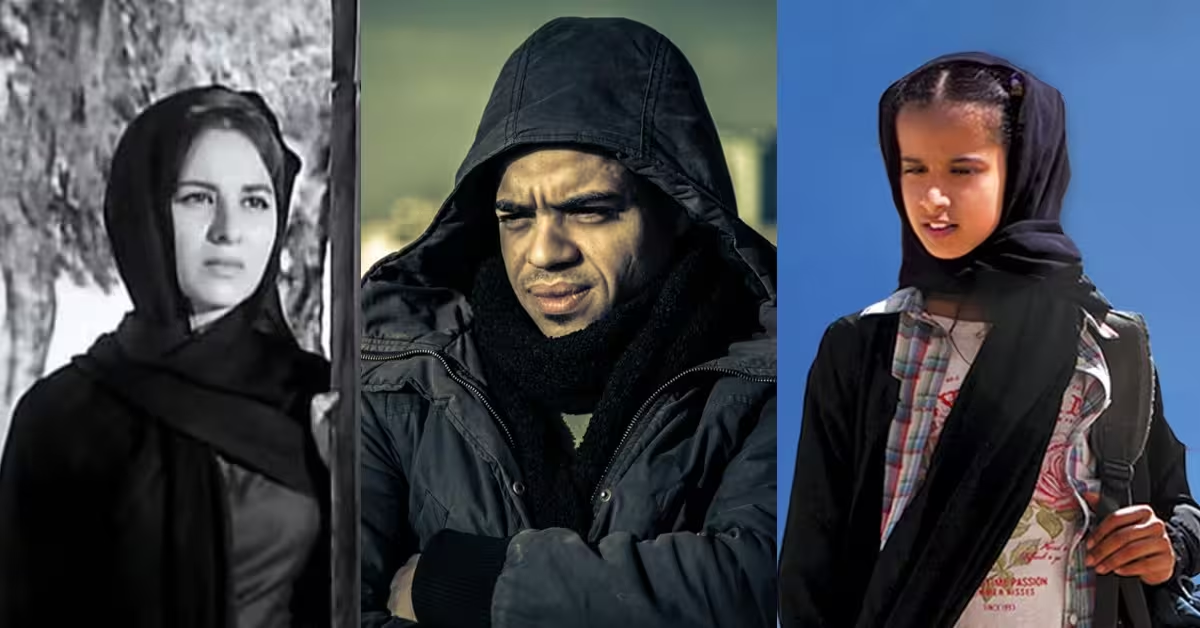
Henry Barakat adapted Taha Hussein’s novel about a village girl, played by the great Faten Hamama, who goes to work in the house of the engineer responsible for her sister’s ruin and death, planning revenge. A classic of Egypt’s golden age.
9. Ali Zaoua: Prince of the Streets (2000)
Nabil Ayouch filmed street children in Casablanca, using real street kids as his cast. When their friend Ali is killed, three boys try to give him the burial of a prince. Tender and tough in equal measure.
10. Alexandria… Why? (Iskanderija… Lih?, 1979)
The first film in Chahine’s autobiographical Alexandria series follows a teenager who dreams of Hollywood in the multicultural Alexandria of the Second World War. It won the Silver Bear at the Berlin Film Festival.
11. Wadjda (2012)
Haifaa al-Mansour made the first feature film shot entirely in Saudi Arabia, and she was a Saudi woman directing it. A ten-year-old girl in Riyadh wants a green bicycle, something girls were not supposed to ride, and enters a Quran recitation contest to win the prize money. Gentle, funny and quietly subversive.
12. Man of Ashes (Rih Essedd, 1986)
Nouri Bouzid’s Tunisian drama follows a young man about to marry who is haunted by abuse he suffered as an apprentice. It broke silences around trauma and masculinity that Arab cinema had rarely touched.
13. Halfaouine: Boy of the Terraces (1990)
Férid Boughedir’s coming-of-age story follows a Tunisian boy who is getting too old to accompany his mother to the women’s bathhouse. Warm and funny, it became one of Tunisia’s most successful films ever.
14. Incendies (2010)
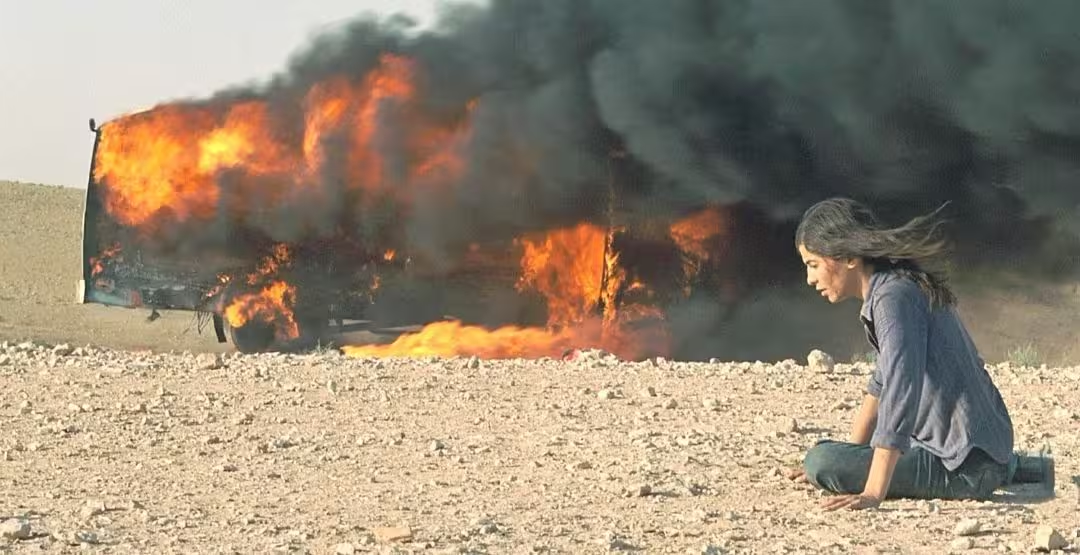
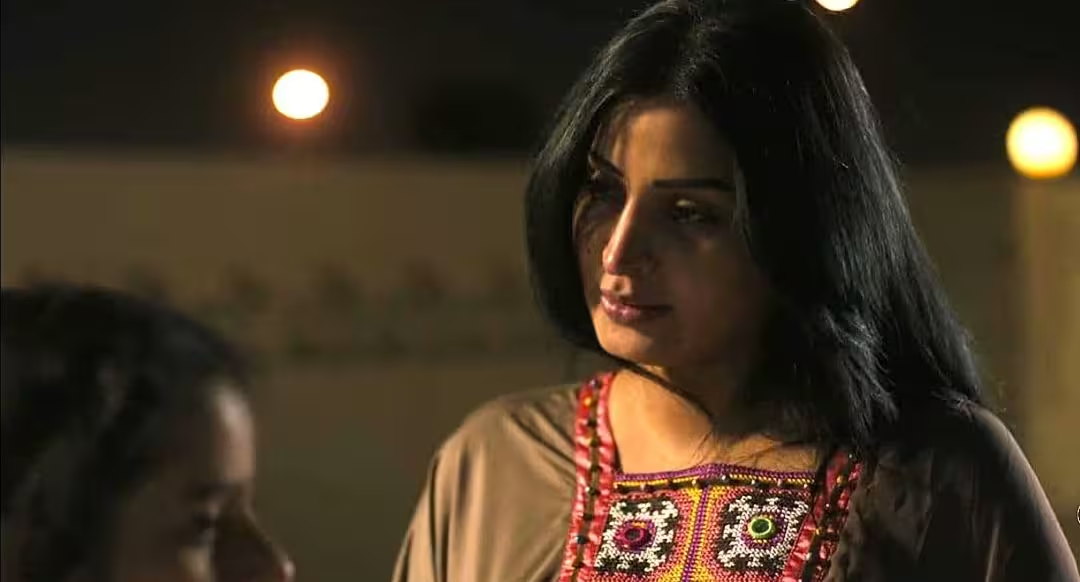
Canadian director Denis Villeneuve adapted Wajdi Mouawad’s play about twins who travel to an unnamed Middle Eastern country, clearly modelled on Lebanon during its civil war, to uncover their mother’s past. The final revelation is devastating. It was nominated for the Oscar for best foreign-language film.
15. The Time That Remains (2009)
Elia Suleiman tells his family’s story from 1948 to the present in Nazareth through deadpan, almost silent scenes. It is very funny and very sad, often in the same shot.
Why These Films Matter
Taken together, these films show a cinema that is not one thing. They move from pharaonic history to modern slums, from the sacred to the absurd, and from the earliest days of Islam to the anger of Tahrir Square. If you have only seen the Arab world through Hollywood, start with three of these, perhaps Al-Mummia, Capernaum and Wadjda, and see how differently it looks when people tell their own stories.