

Last updated on October 17th, 2026 at 09:36 am
Even people who have never watched a James Bond film can hum the theme, picture the tuxedo and quote the line about a martini, shaken, not stirred. Since Dr. No in 1962, the Bond series has become one of the longest-running and most influential franchises in film history. Its influence reaches far beyond cinema, into fashion, cars, music and the way the world imagines a spy.
Here is my guide to 007’s cultural impact: the actors, the eras, the gadgets and songs, the books behind them, and where the franchise is heading.
Table of Contents
Six Decades in Brief
- The 1960s: Sean Connery defines the role in Dr. No, Goldfinger and more, and Bond becomes a global craze.
- 1969: George Lazenby plays Bond once, in On Her Majesty’s Secret Service, now admired as one of the most emotional entries.
- 1973 to 1985: Roger Moore brings humour and lightness across seven films.
- 1987 to 1989: Timothy Dalton offers a harder, darker Bond closer to the books.
- 1995 to 2002: Pierce Brosnan updates Bond for the post-Cold War world.
- 2006 to 2021: Daniel Craig reboots the character as a bruised, vulnerable agent, ending with No Time to Die.
The Best-Reviewed Films
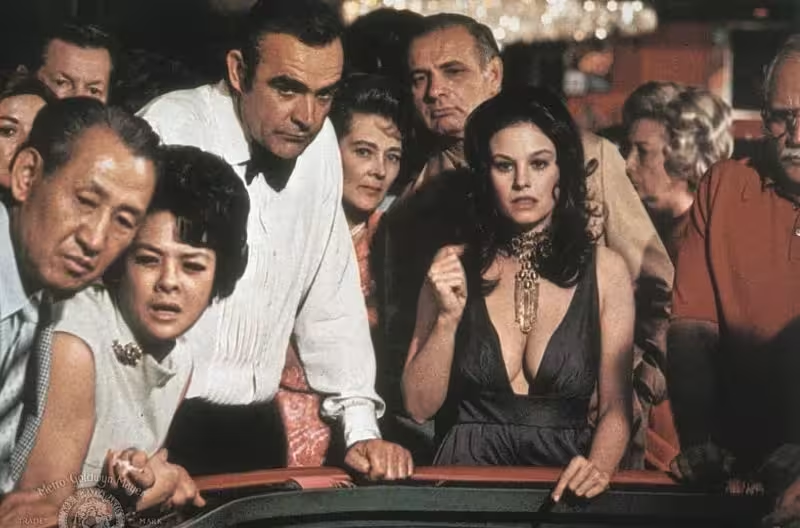
Critics and fans argue endlessly about rankings, but a few titles appear near the top of most lists: Goldfinger (1964), From Russia with Love (1963), Casino Royale (2006) and Skyfall (2012), which became the first Bond film to earn more than a billion dollars worldwide.
Villains Worth Remembering
A Bond film is only as good as its villain. Ernst Stavro Blofeld and his white cat became the model for countless parodies, Goldfinger and his hat-throwing henchman Oddjob set the template for colourful bad guys, and the steel-toothed Jaws made two films memorable. In the Craig era, Javier Bardem’s Raoul Silva in Skyfall gave the series one of its most unsettling villains.
The Music
The theme songs are a tradition of their own. Shirley Bassey’s “Goldfinger” set the bold, brassy style. Paul McCartney and Wings brought rock with “Live and Let Die.” In recent years the songs have won Oscars: Adele’s “Skyfall,” Sam Smith’s “Writing’s on the Wall” and Billie Eilish’s “No Time to Die.”
Gadgets and Cars
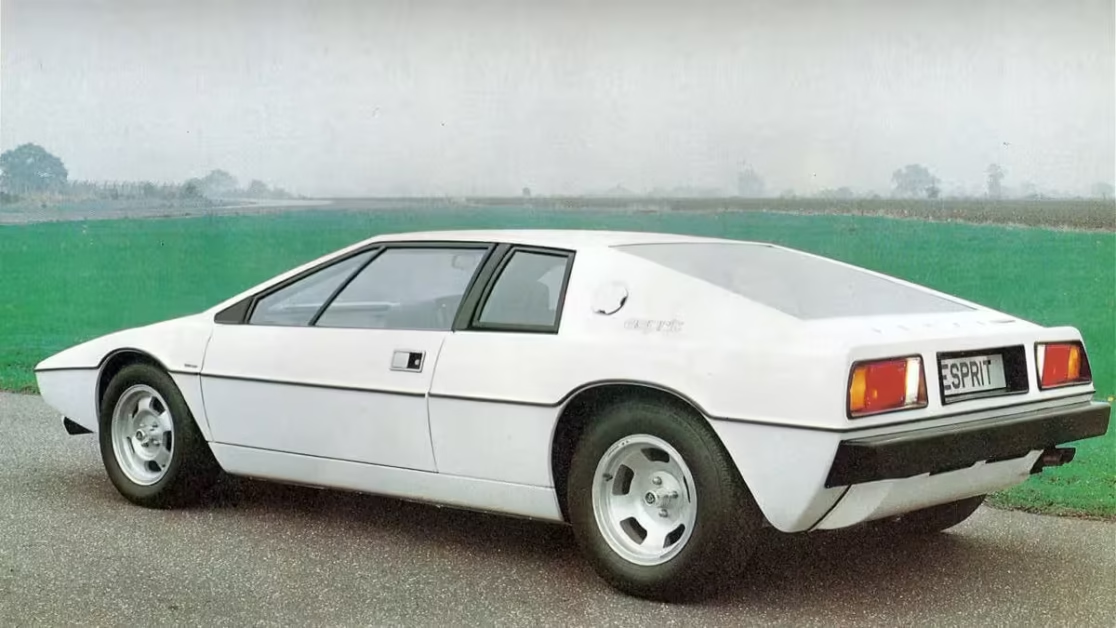
Q Branch’s inventions are part of the fun, from exploding pens to jetpacks. The Aston Martin DB5, introduced in Goldfinger with its ejector seat and machine guns, is probably the most famous car in film. The white Lotus Esprit in The Spy Who Loved Me (1977), which turns into a submarine, delighted a whole generation.
Fleming’s Books Versus the Films
Ian Fleming, a former British naval intelligence officer, wrote the first Bond novel, Casino Royale, in 1953. His Bond is colder, more troubled and more snobbish than the cinema version, and the books are darker and more violent. Many films kept only Fleming’s titles and invented new plots. Craig’s Casino Royale is often praised as the most faithful adaptation.
Women in the Bond Films
The “Bond girls” are one of the series’ most debated features, from Ursula Andress walking out of the sea in Dr. No to the more complex women of recent films. I have written a separate piece on the women of Bond, from Ursula Andress to Léa Seydoux.
Style and Fashion
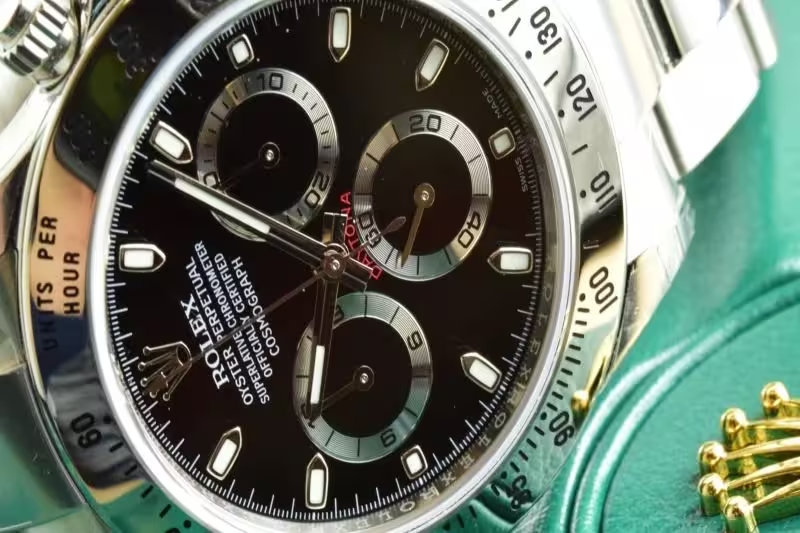
Bond made the tailored suit, the dinner jacket and the luxury watch part of a global idea of masculine elegance. Connery’s sharp Savile Row suits, Moore’s safari jackets and Craig’s slim modern tailoring each influenced menswear in their time, and brands have paid heavily to appear on screen.
A Global Cultural Icon
The phrase “Bond, James Bond,” the gun-barrel opening, the theme music and the martini order have been copied, parodied and referenced everywhere, from Austin Powers to advertising. Bond also shaped how the world imagined British power and glamour during and after the Cold War, even as Britain’s real influence declined.
What Comes Next
In 2025 Amazon MGM Studios took creative control of the franchise from the Broccoli family’s Eon Productions, ending a long era. Denis Villeneuve was announced as director of the next film, with Steven Knight writing, and reports from The Independent and others have followed the search for a new actor. Because these plans change quickly, check current news for the latest casting and release dates.
Final Thoughts
James Bond has survived the Cold War, changing ideas about gender, and six lead actors. That survival is the clearest sign of his cultural power. Whoever plays him next will be stepping into one of the most famous roles in the history of entertainment. For more film writing, visit my entertainment section.







