

Last updated on October 17th, 2026 at 02:06 pm
I grew up in Bangladesh, a country that is mostly river, rice field and sky, and I now spend most of my days among books, screens and concrete. Somewhere in that move I noticed something the research has been saying for decades: the further we drift from nature, the more our bodies and minds seem to pay for it. This essay gathers what the evidence actually shows about nature and human health, from the World Health Organization’s reviews to studies on children, forests and city parks, and asks why we keep building lives that leave so little room for green.
At a Glance
- Stress and mood: Contact with nature is linked to lower stress and better mood, and mental health is where the evidence for green space is strongest, according to a 2016 WHO Europe review.
- Inactivity kills: Physical inactivity has been tied to about 3.2 million deaths a year, and 31% of adults and 81% of adolescents still do not move enough.
- Heart and longevity: Greener neighbourhoods have been associated with lower circulatory-disease mortality in England and longer survival among older people in Tokyo.
- Children: Free play in wild places is linked to better motor skills, attention and, later in life, stronger care for the environment.
- Cities: Parks, trees and green roofs buffer noise, cool urban heat and make neighbours more likely to meet.
- The takeaway: Green space is not decoration. It is public health infrastructure, and access to it is still unequal.
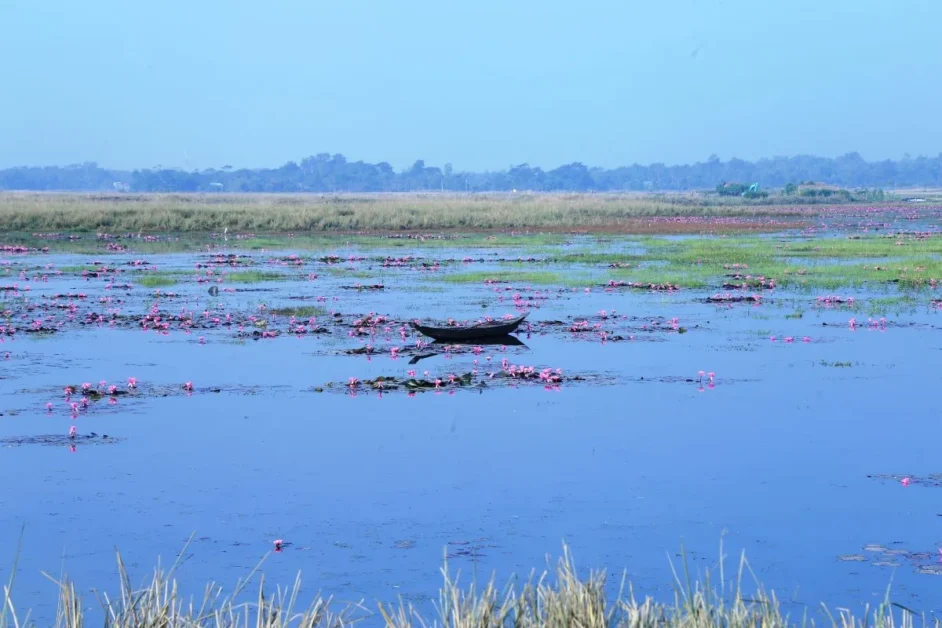
How We Drifted Away From Nature
Every year our cities grow outward and upward, and the wild places at their edges shrink to fit. A generation raised in apartments learns to find beauty in shop windows, glossy packaging and lit-up screens rather than in a muddy riverbank or a stand of trees after rain. I do not say this to sneer at modern comfort. I say it because the trade has happened quietly, without most of us deciding to make it.
Electric light keeps us awake long after sunset. Gardens become tidy lawns, and the forest becomes something we see in documentaries. The pursuit of money and the things money buys pulls us indoors, into offices and malls, a little further from the ground every day. So the old questions return. Can anything we manufacture replace what the natural world gives us for free? And if we keep walking away from it, are we slowly harming ourselves?
Put more bluntly: should we value scientific and technological progress above everything, or should we also protect the nature that has given us food, calm and a place to belong for as long as we have existed? I do not think the two are enemies. But I am increasingly sure that we have been treating one of them as optional.
For most of human history, survival, health and the natural world were bound together. Every other species still lives inside that bond. We are the only ones who have tried to step outside it, and time and again nature has turned out to be a remedy we did not know we needed: a source of comfort, steadiness and perspective.
There is an irony here that a reader of books cannot miss. Language is the thing we usually say separates us from animals, yet so much of our best language keeps reaching back toward rivers, seasons and trees, as though we cannot describe ourselves without them. And there are hopeful signs. Bangladeshi cities have looked almost empty during long holidays, as people use every spare day to get away from the noise and grind of urban life. Perhaps we are starting to sense what we have lost.
Why Cities Need Green Space
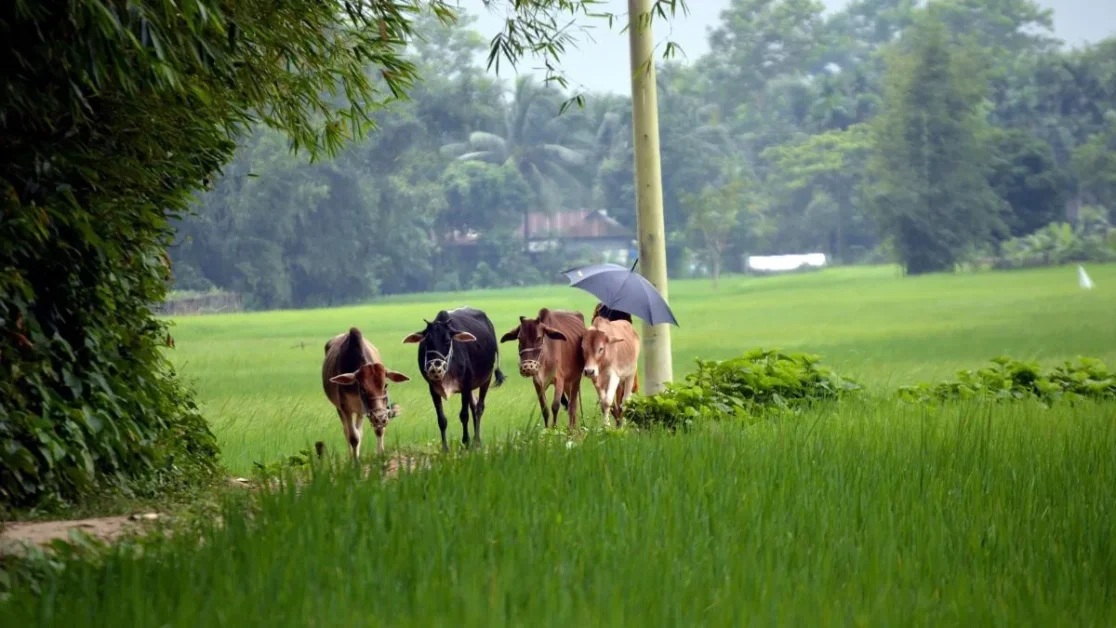
When planners talk about green urban areas, they usually mean public spaces used mainly for recreation: gardens, parks, zoos, suburban woodland and forests, and green areas at the edges of towns that people visit to relax or play.
The WHO Regional Office for Europe’s review of urban green spaces and health points out that the link between greenery and health is not a new discovery. It was one of the forces behind the urban parks movement in nineteenth-century Europe and North America, when reformers argued that crowded industrial cities needed lungs. The same review collects evidence that green space can encourage people to be more physically active.
Governments have made promises on this point. At the Fifth Ministerial Conference on Environment and Health in Parma, Italy, in 2010, member states of the WHO European Region committed to giving every child by 2020 access to healthy, safe settings where they could walk or cycle to school and play outdoors in green space.
The idea also sits inside the global development agenda. Target 11.7 of the UN Sustainable Development Goals aims, by 2030, to provide universal access to safe, inclusive and accessible green and public spaces, especially for women, children, older people and people with disabilities.
The WHO review makes a further point that matters as much as any statistic. Green space has the potential to narrow health gaps between rich and poor, but only if everyone can actually reach it. Lower-income neighbourhoods often have fewer and poorer parks, which means the people who could gain most from nature frequently have the least of it. Good recreation spaces for every age group are, in the review’s framing, a requirement for active living, not a luxury.
11 Health Benefits of Nature, According to the Evidence
Green space seems to affect health through several routes at once, and those routes can reinforce each other. Drawing on the WHO review and the studies it cites, here are the main pathways researchers have identified.
1. It helps us relax and recover
Nature appears to restore the mind in two ways. First, it lowers psychological and physical stress: even a view of natural scenery can shift highly stressed people toward a calmer, more positive state. Second, it rests our attention. Natural settings offer gentle, interesting things to look at, which gives the part of the mind we use for hard, focused work a chance to recover, so we perform better on demanding tasks afterwards.
2. It builds social ties
Parks and green streets give neighbours reasons to linger and meet. Studies summarised by the WHO found that both the amount and, even more, the quality of street greenery were associated with a stronger sense of social cohesion in a neighbourhood.
3. It may support the immune system
Research in Japan has linked forest visits with favourable immune responses. In one study, forest bathing trips were associated with higher natural killer cell activity and greater expression of anti-cancer proteins. Researchers suggest the effect could come from relaxation, from substances released by trees, or both.
4. It gets us moving
Physical inactivity is identified by the WHO as the fourth leading risk factor for global mortality. Access to green space is associated with more physical activity, better fitness and lower rates of obesity.
5. It softens city noise
Traffic, industry and ever-denser building leave fewer quiet places in cities. Well-designed green spaces can buffer noise, or at least reduce how unpleasant we find it, and replace some of it with birdsong, wind and water.
6. It cools urban heat
Concrete and asphalt trap heat, creating what scientists call the urban heat island effect. The WHO review notes evidence that parks, street trees and green roofs help lower these temperatures, which matters more every summer.
7. It encourages care for the environment
Pro-environmental behaviour means acting in ways that deliberately reduce harm to the natural and built world. The WHO review notes evidence that experiencing nature can strengthen cooperation and sustainable intentions, and that time in nature during childhood appears to be linked with environmental concern in adulthood. If such habits spread widely, they could help cut carbon emissions.
8. It protects mental health and sharpens thinking
Across the research on green space, the evidence is strongest for mental health and stress reduction. In Australia, a study by Sugiyama and colleagues found that how green people perceived their neighbourhood to be was more strongly associated with their mental health than with their physical health.
9. It is linked to a healthier heart
In England, Mitchell and Popham’s 2008 study found that populations living in greener areas had lower mortality from circulatory disease, and that the usual gap in deaths between rich and poor was smaller where there was more green space.
10. It is associated with lower rates of type 2 diabetes
The WHO review also lists studies associating exposure to nature with a lower prevalence of type 2 diabetes, one more sign that green surroundings and an active, less stressed life tend to travel together.
11. It is associated with longer life
Evidence linking urban green space with lower death rates keeps growing. In Tokyo, Takano and colleagues followed older residents for five years and found that survival was higher among people who lived near spaces suitable for walking, parks and tree-lined streets.
What “Health” Really Means
To understand why nature matters, it helps to be clear about what we mean by health. The WHO Constitution defines it as a state of complete physical, mental and social well-being, not just the absence of disease or infirmity. That definition is generous, perhaps impossibly so, but it makes one thing clear: health has several dimensions, and environment is woven through all of them.
Environmental psychologist Terry Hartig and colleagues, writing from the Institute for Housing and Urban Research at Uppsala University, draw out a consequence: a person can be relatively healthy in one way and relatively unhealthy in another at the same time.
Someone can be physically strong and mentally sharp yet still be in poor health because they are lonely, excluded or the target of discrimination. Fitness and health are not the same thing. Philip Maffetone and Paul Laursen make this distinction sharply in their paper on athletes who are fit but unhealthy.
The American Psychological Association has summarised research showing that time in nature can calm a busy mind, lift mood and improve thinking. Both correlational and experimental studies point to cognitive benefits from interacting with natural environments.
Clinicians have built treatments on this idea. Wilderness therapy uses structured time outdoors, often with adolescents facing behavioural, emotional, adjustment or addiction problems. Young people at risk are its most common clients, though they are certainly not the only people who might benefit from the outdoors.
Hartig’s chapter also makes a quieter point about prevention. Environmental health work has traditionally focused on finding and removing what harms us, such as toxins and pollutants. But it can also identify and protect what is good for us in our surroundings, including chances to experience nature.
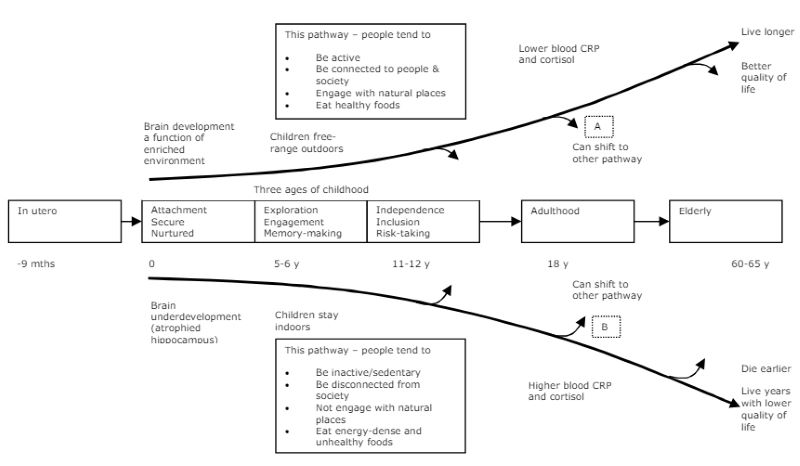
The stakes are generational. Jules Pretty and colleagues at the University of Essex observe that while child mortality fell over the past half century, new problems took its place, including mental health disorders and obesity linked to inactivity and a growing distance from nature. They also argue that childhood has three distinct stages, each with different needs and different consequences for adult life and public policy.
Children and Nature: The Three Ages of Childhood
Open green space matters enormously to children, and the quality of the places they grow up in is tied closely to their well-being. For a child, the outdoors is a social world. It shapes how they choose to play and gives them room to develop as people.
A child’s relationship with nature is also a way of discovering themselves. Yet access to good natural environments is not shared equally, and children in poorer households tend to have less of it. Pretty and colleagues describe the three stages this way:
- First age (0 to 5 years): Attachment, security and nurture matter most. Parents dominate the child’s world, so the parent-child relationship is central to development.
- Second age (6 to 11 years): Children begin to lay down memories as continuous stories. They spend more time beyond their parents’ direct control, exploring their surroundings and building mental capacities.
- Third age (12 to 18 years): Young people pull away from parents, seeking independence from existing structures and belonging among peers. They take more risks and test the limits of the world.
How a child’s environment shapes their activity is complicated. Physical activity is closely linked to a child’s fitness, body weight and mental development, and both fitness and fatness tend to carry over into adult life, where they become risk factors for metabolic disorders, heart disease and early death. Active children also tend to behave better in class.
Unstructured play outdoors gives children a feeling of freedom, independence and inner strength that they can draw on later when life becomes stressful.
So there is growing evidence that a child’s contact with nature, and the activity that comes with it, affects not only their well-being now but their health decades later. The Essex team describes a funnel of life pathways. At the top are people who live longer and better; at the bottom are those who die earlier and often spend years in poor health. People on the healthier path tend to be active, connected to others, engaged with natural places and well fed.
The researchers argue that people on this upper path tend to report higher self-esteem and better mood, join groups and volunteer more, keep learning throughout life, spend time in nature regularly and cope better with stress.
The opposite trend has a name: the extinction of experience. Children today encounter nature far less than any generation before them, and as a result many cannot recognise the plants, insects and birds around them.
That is why habits formed early matter. Time in wild places during childhood is linked to good outcomes in adulthood. Children who visit woods are more likely to keep visiting them as adults. Play shapes the developing brain, outdoor activity supports long-term memory, and free exploration feeds cognitive growth.
There is a deeper loss, too. You cannot care about something you cannot name. Children who never learn the names of local species are less likely to protect them as adults, which allows extinctions and habitat loss to continue unnoticed. This spiral of disconnection can start in childhood and run through an entire life, because the habit of being with nature, or of living without it, forms early.
Physical Inactivity: The 3.2 Million Deaths Problem
Pretty and colleagues argue that many of the forces pushing people toward the unhealthy lower pathway are very recent in human history: unhealthy food, rising inactivity, the breaking apart of families and communities, and disengagement from nature.
Scandinavian researchers have made a similar case, noting that both being in nature and simply looking at it can improve health and well-being, and that physical activity is good for body and mind alike. Engagement with green space has been linked with longer life and a lower risk of mental ill-health in studies from Japan, Scandinavia and the Netherlands.
The numbers on inactivity are stark. The WHO’s global health risks analysis ranked physical inactivity fourth among the leading risk factors for death worldwide, responsible for about 6% of global deaths. WHO figures reported by Saudi Arabia’s Ministry of Health attribute up to 27% of diabetes, 30% of ischaemic heart disease and 21% to 25% of breast and colon cancers to physical inactivity.
Physical inactivity has been associated with about 3.2 million deaths a year worldwide, according to WHO estimates reported by UN News and the Canadian Medical Association Journal.
Those estimates are more than a decade old, and the picture has not improved. The WHO’s 2024 fact sheet reports that 31% of adults, about 1.8 billion people, were insufficiently active in 2022, and that 81% of adolescents aged 11 to 17 did not meet recommended activity levels. People who are not active enough face a 20% to 30% higher risk of death than those who are.
How Modern Life Keeps Us Indoors
Pretty and colleagues estimate that pre-industrial humans burned around 1,000 kilocalories a day through physical activity, compared with about 300 for the average person today. A Cochrane review led by Maureen Dobbins of McMaster University notes that inactivity raises the risk of obesity, shortens life expectancy, tends to persist from childhood into adulthood and is a key risk factor for many chronic diseases.
The causes are familiar to anyone who looks around. Hours in front of the television, smartphones, computers and games consoles fill time that once went to moving. We walk and cycle less and drive even for short trips. Each of these chips away at the everyday movement and outdoor time that used to come without effort.
It is now well established that natural places can benefit mental health in several forms: a view of greenery from a window, simply being in a park or woodland, or exercising there.
Modern life has brought astonishing technology, but it has also changed how we live so quickly that our health has struggled to keep up. Pretty and colleagues report that shifts in diet helped push obesity from roughly 3% to 6% of adults to more than 25% within a generation in many industrialised and developing countries. They add that spending less time outdoors has eroded people’s ecological knowledge and harmed their mental health.
The traditional games of childhood, with their chasing, climbing and running, are giving way to sitting in front of screens. Yet the most physically demanding activities are still outdoor ones: hiking, skiing, climbing trees, swimming and football on an open field.
Nature is a rough, ever-changing playground that challenges children’s bodies. Norwegian researcher Ingunn Fjørtoft found that children who played regularly in a forest developed better motor fitness, especially balance and coordination, than children who used a conventional playground. Slopes and rocks are obstacles to master. Trees offer shelter and something to climb. Meadows invite running.
Many societies have also seen worrying rates of problem behaviour among adolescents, including substance use, aggression, violence and early pregnancy, along with rising concern about youth mental health. No single cause explains these trends, but time outdoors is one protective factor worth taking seriously.
Sunlight matters too. Pretty and colleagues highlight vitamin D, which our bodies make mainly through sun exposure. A lack of it has long been known to cause rickets in children and to worsen bone conditions such as osteoporosis and osteomalacia in adults. More recent research has associated low vitamin D with higher risks of some cancers, heart disease, multiple sclerosis, rheumatoid arthritis and type 1 diabetes, with possible links to other conditions still being studied.
What Wild Play Does for a Child’s Brain
Animal studies offer a glimpse of why rich environments matter. In a landmark 1997 study, Gerd Kempermann and colleagues found that adult mice housed in an enriched environment had more new neurons in the hippocampus, a brain region central to learning and memory. Related animal research has linked enriched surroundings with better memory.
For young children, social conditions are vital, and play in nature seems to support them. Scandinavian studies have reported improvements in children’s social play, concentration and motor ability after time in natural settings. In the United States, Frances Kuo and Andrea Faber Taylor found that children with attention deficit hyperactivity disorder (ADHD) showed fewer symptoms after activities in green outdoor settings than after the same activities indoors or in built outdoor spaces.
Louise Chawla of the University of Colorado Boulder reviewed the benefits of nature contact for children. She reports that children tend to prefer green spaces with trees over bare ones, and that natural settings are linked to more creative play and more positive social interaction.
Knowledge follows experience. Sarah Pilgrim and colleagues found a strong link between how often people visit green spaces and how much ecological knowledge they hold. Local plants and animals were once a standard part of schooling. Today, global issues such as climate change and biodiversity loss often crowd out local species and habitats in the curriculum. Are we training a generation of ecologists who can model global shifts but cannot notice that the sparrows have gone from their own garden?
Natural places are varied and always changing, so they invite open-ended, exploratory play. That kind of unstructured play gives children more chances to make decisions and encourages creative, imaginative and varied games, all of which are important for personal and cognitive development.
Yet societies have grown increasingly risk-averse about young children. Over-supervised children are denied the chance to take small risks, and so learn less about a world that will not always be safe. Risk-taking is how we learn our limits. If children never practise it, where will a country’s future entrepreneurs, explorers and inventors come from? The whole community, not just parents, has a part to play in making outdoor time normal again.
From Childhood Woods to Adult Environmentalism
Not all nature is equal in its effects. Research suggests that time in wild nature, such as hiking or playing in woods, has stronger long-term effects than time in tamed nature, such as picking flowers or planting seeds. The structure of domesticated outdoor activities may leave little room for spontaneous, absorbing engagement, which seems to be what leaves the deepest mark. In one project, young people’s sense of connection to nature rose steadily over the time they spent in wilderness settings.
At Cornell University, Nancy Wells and Kristi Lekies traced these effects across the life course in their study of pathways from childhood nature experiences to adult environmentalism. They found that childhood participation in wild nature activities, such as hiking, camping, hunting and fishing, before age 11 was positively associated with adult environmental attitudes and behaviours.
Their review of earlier work points the same way. Adolescents who had played more often in wild areas as children tended to prefer a wildland walking path over a more manicured one, were more willing to imagine living without modern comforts and showed a stronger preference for outdoor careers. Children who had foraged widely, collecting everything from acorns and cattails to fireflies, fish and turtles, tended to know more about biodiversity as teenagers.
Studies of university students add more detail. Enjoying nature, outdoor pursuits such as hunting and fishing, books and television about the natural world, and even witnessing the loss of a beloved outdoor place during youth all helped predict whether students later held nature-centred or human-centred beliefs. Other research looks at structured environmental education, but the lesson of the childhood studies is that unplanned time in wild places carries unusual weight.
Nature, Mood and Self-Esteem
Mental ill-health can bring stigma, prejudice and discrimination, and it often carries over from childhood into adult life. Good mental health is more than the absence of illness; it is about living well. Pretty and colleagues note that positive emotions and well-being are associated with better health and longer survival, and that green exercise improves mood.
Mood is closely tied to self-esteem, which is an important marker of present and future well-being for adults and children alike. Self-esteem is the positive or negative way we judge our own worth, and it shapes psychological well-being in both the short and long term.
It is widely treated as a sign of emotional stability and so contributes to mental well-being, quality of life and even survival. High self-esteem is linked to secure, close relationships, which in turn help people feel connected to others.
Young people with healthy self-esteem tend to resist peer pressure and alcohol misuse more easily, do better at school and are less vulnerable to bullying. Low self-esteem, by contrast, is closely associated with mental illness and poor psychological well-being, and often shows up as self-rejection, dissatisfaction and harsh self-judgement.
Self-esteem also influences behaviour. Higher self-esteem is associated with healthy eating, regular exercise, not smoking and better mental health outcomes. It is also linked with independence, adaptability, leadership, resilience under stress, life satisfaction, good social adjustment and stronger achievement at school and work. Time in nature is one of the few interventions that touches nearly every item on that list.
Trees, Forests and the Planning of Cities
Some researchers worry that urbanisation, environmental damage and changing lifestyles are reducing both the amount and the quality of contact people have with nature. Dense cities without accessible green space can cut people off from calming natural surroundings while exposing them to more noise, heat and pollution. Other researchers treat nature as one feature among many in a healthy environment. The obesity epidemic in some countries, for example, has drawn attention to sedentary lifestyles and to everything that supports activity, parks included.
The simple presence of trees encourages people to use outdoor spaces more often, and experiencing nature eases mental fatigue, reduces feelings of stress and lifts mood. Which raises an obvious question: why is this not built into the planning of every town and city as a matter of course?
Trees and forests shape human health in many ways. As Hartig and colleagues describe, they help keep air clean, supply food and medicines, and shield homes, crops and infrastructure from harsh sun, strong winds and floods. They also carry risks: pollen, disease-carrying insects, wildfire and falling branches. Beyond these physical effects, forests influence health through our behaviour and experience. Surveys in many countries show that people like to visit natural areas such as forests, and that they go there to relax and let go of tension.
Tamed urban greenery is welcome, but it is not the same as nature itself. If we want healthy bodies and minds and long lives, there is no real substitute for planting, protecting and nurturing trees and wild vegetation. Economic growth alone will not give us that. Regular time in nature helps us grow, and grow wiser, alongside the natural world. Knowing nature, living close to it, eating what it provides, defending it and simply contemplating it bring rewards that last. If this subject interests you, I have also written about the expansion of science and the shrinking of nature and about nine people who changed the world by planting trees.
Frequently Asked Questions
How does nature improve human health?
Nature appears to work through several pathways: it lowers stress, restores attention, encourages physical activity, strengthens social ties, buffers noise and heat, and may support immune function. The WHO’s 2016 review found the strongest evidence for mental health and stress reduction.
How many people die from physical inactivity?
WHO estimates reported by UN News linked physical inactivity to about 3.2 million deaths a year. The WHO’s 2024 fact sheet does not give a death count but says inactive people have a 20% to 30% higher risk of death.
Why is time in nature important for children?
Outdoor play in natural settings is linked to better motor skills, attention and creativity, and children who spend time in wild places are more likely to care for the environment as adults, according to research by Louise Chawla and Wells and Lekies.
Conclusion
Bringing more nature into daily life is one of the simplest health decisions any of us can make. A walk in a park, an hour in a garden or a weekend game on an open field can strengthen the body, ease stress and steady the mind. For cities, the lesson is larger: green space is public health infrastructure, and it should be planned, protected and shared fairly, with nature-based programmes supporting the wider work of public health.
References
- Hartig, T. et al. Health Benefits of Nature Experience: Psychological, Social and Cultural Processes (book chapter).
- World Health Organization. Global Recommendations on Physical Activity for Health (2010).
- World Health Organization. Physical activity fact sheet (2024).
- WHO Regional Office for Europe. Urban green spaces and health: a review of evidence (2016).
- Pretty, J. et al. Nature, Childhood, Health and Life Pathways. University of Essex.
- Fox, A., Feng, W. and Asal, V. What is driving global obesity trends? Globalization or “modernization”?
- Dowdell, K., Gray, T. and Malone, K. Nature and its Influence on Children’s Outdoor Play.
- Chawla, L. Benefits of Nature Contact for Children. Journal of Planning Literature (2015).
- Wells, N. M. and Lekies, K. S. Nature and the Life Course: Pathways from Childhood Nature Experiences to Adult Environmentalism. Children, Youth and Environments (2006).
- Maffetone, P. B. and Laursen, P. B. Athletes: Fit but Unhealthy? Sports Medicine – Open (2016).
- Kempermann, G., Kuhn, H. G. and Gage, F. H. More hippocampal neurons in adult mice living in an enriched environment. Nature (1997).
- Kuo, F. E. and Faber Taylor, A. A Potential Natural Treatment for Attention-Deficit/Hyperactivity Disorder. American Journal of Public Health (2004).
- Mitchell, R. and Popham, F. Effect of exposure to natural environment on health inequalities. The Lancet (2008).
- Takano, T., Nakamura, K. and Watanabe, M. Urban residential environments and senior citizens’ longevity in megacity areas. Journal of Epidemiology and Community Health (2002).







