
Last updated on October 17th, 2026 at 09:43 am
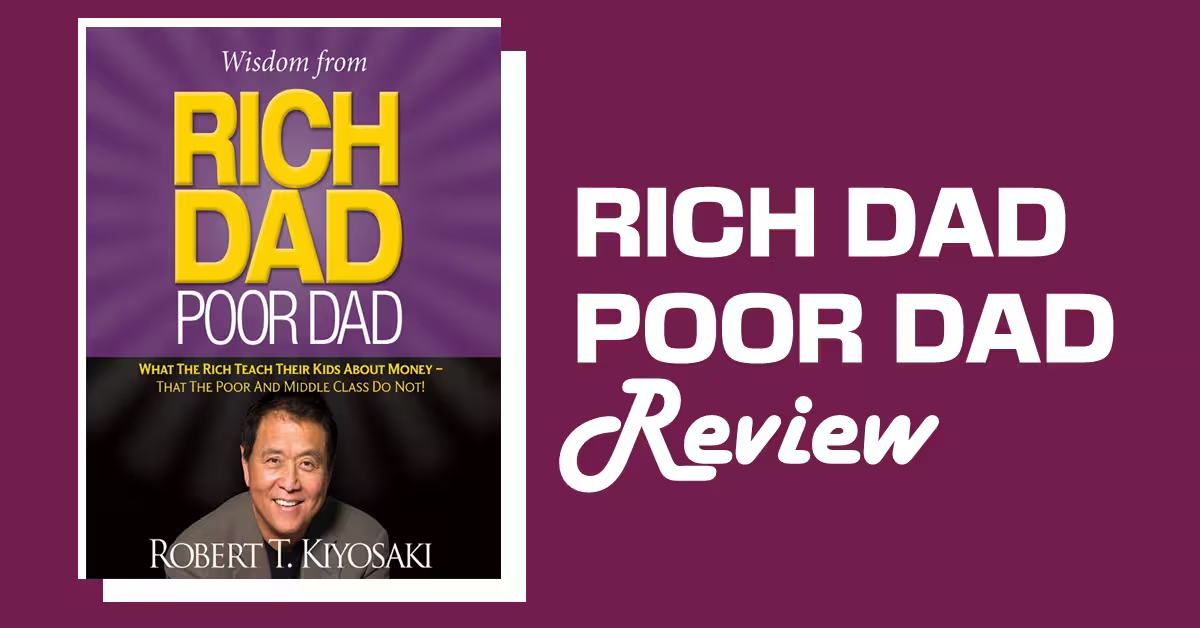
Few personal finance books have been bought, quoted and argued about as much as Rich Dad Poor Dad. Robert Kiyosaki self-published it with Sharon Lechter in 1997, and it went on to sell tens of millions of copies around the world, as Publishers Weekly noted on its 25th anniversary.
Its central story contrasts two father figures: Kiyosaki’s own father, highly educated but always short of money, and his best friend’s father, a businessman with little schooling who became rich. Here is a summary of its six lessons, what is genuinely useful, and where you should be sceptical. This is general information, not financial advice.
Table of Contents
The Six Lessons
1. The Rich Do Not Work for Money
Poor and middle-class people, Kiyosaki argues, trade their time for a salary and are driven by fear and greed. The rich make money work for them through businesses and investments.
2. Financial Literacy Matters
Schools teach almost nothing about money. Kiyosaki’s most famous idea is the difference between assets, which put money into your pocket, and liabilities, which take it out. He controversially counts your own home as a liability, because it costs money every month rather than producing income.
3. Mind Your Own Business
Your job is your employer’s business. Your real business is your column of assets: investments, rental property, companies and intellectual property. Build it alongside your job.
4. Understand Taxes and Corporations
Kiyosaki claims the wealthy use companies and tax rules to their advantage, while salaried workers are taxed before they see their money. The specifics are American and much of this chapter is oversimplified.
5. The Rich Invent Money
Opportunities exist for people who have the knowledge and courage to spot them. Financial intelligence, he argues, creates money where others see nothing.
6. Work to Learn, Not to Earn
Choose jobs for the skills they teach, especially sales, communication and management, rather than for salary alone.
What Is Useful
- The asset and liability idea is a clear, memorable way to look at spending.
- Financial education really is neglected in most schools, including in Bangladesh.
- Building income beyond a salary is sensible advice for long-term security.
- Readable and motivating: for many people, this was the first book that made them think about money at all.
Where to Be Sceptical
- The “rich dad” may not be real. Critics have long questioned whether the rich dad existed as described, and Kiyosaki has been vague about him. The book is better read as a parable than a memoir.
- Vague on method. It encourages buying assets but offers little concrete guidance on how, which can push readers toward risky ventures.
- Risky attitudes to debt. Kiyosaki favours borrowing to invest in property, which can magnify losses.
- Dismissive of education and steady work. The “poor dad” is treated unfairly; a stable job and formal education are valuable foundations for most people.
Compared With Other Money Books
Rich Dad Poor Dad is about mindset and motivation. For evidence-based advice, books like The Millionaire Next Door and The Little Book of Common Sense Investing are far more reliable. See my list of books on building wealth. Kiyosaki and his team have also produced many follow-ups and summaries, such as Wisdom from Rich Dad Poor Dad.
My Verdict
Read Rich Dad Poor Dad for its big idea, that you should own things that pay you rather than things that cost you, and for the push to take money seriously. Do not take its specific advice on debt, taxes or property as a plan without checking it against more careful sources and, ideally, a qualified adviser.






2 thoughts on “Rich Dad Poor Dad: The Money Lessons and Their Limits”